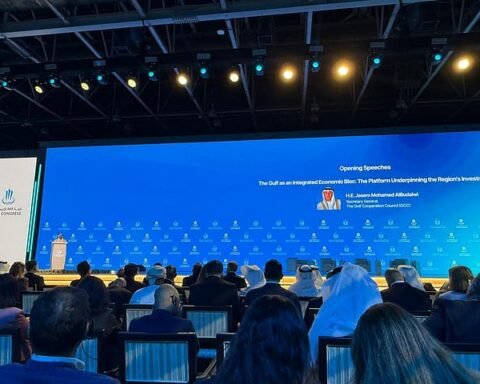
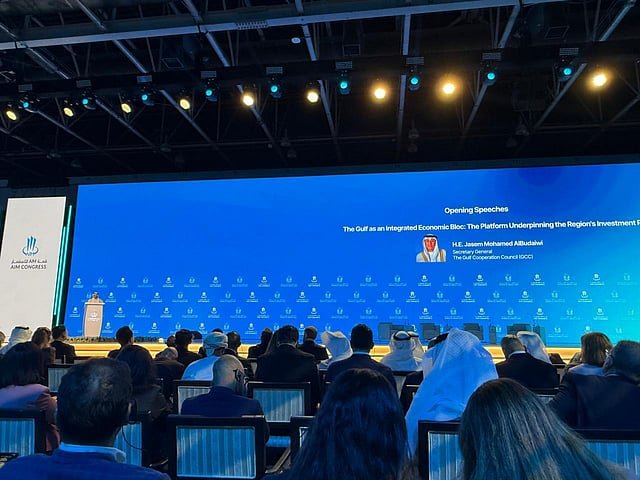
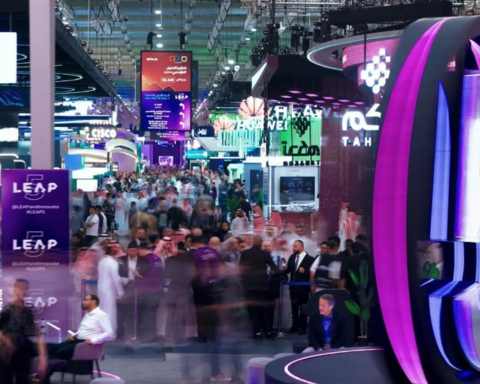
The AIM Congress 2026 in Dubai brought African leaders, investors, mining executives and entrepreneurs together with Gulf-based sovereign wealth funds, family offices and institutional investors to explore how stronger economic ties can translate into long-term, value-added growth.
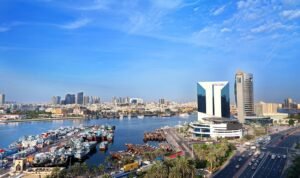
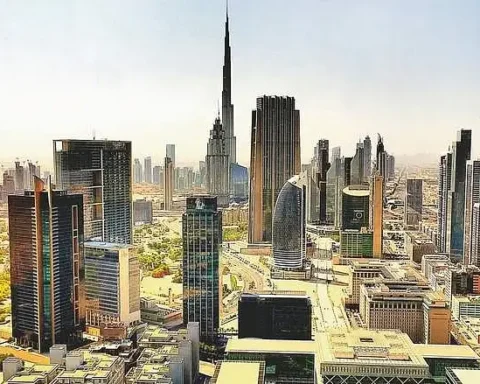
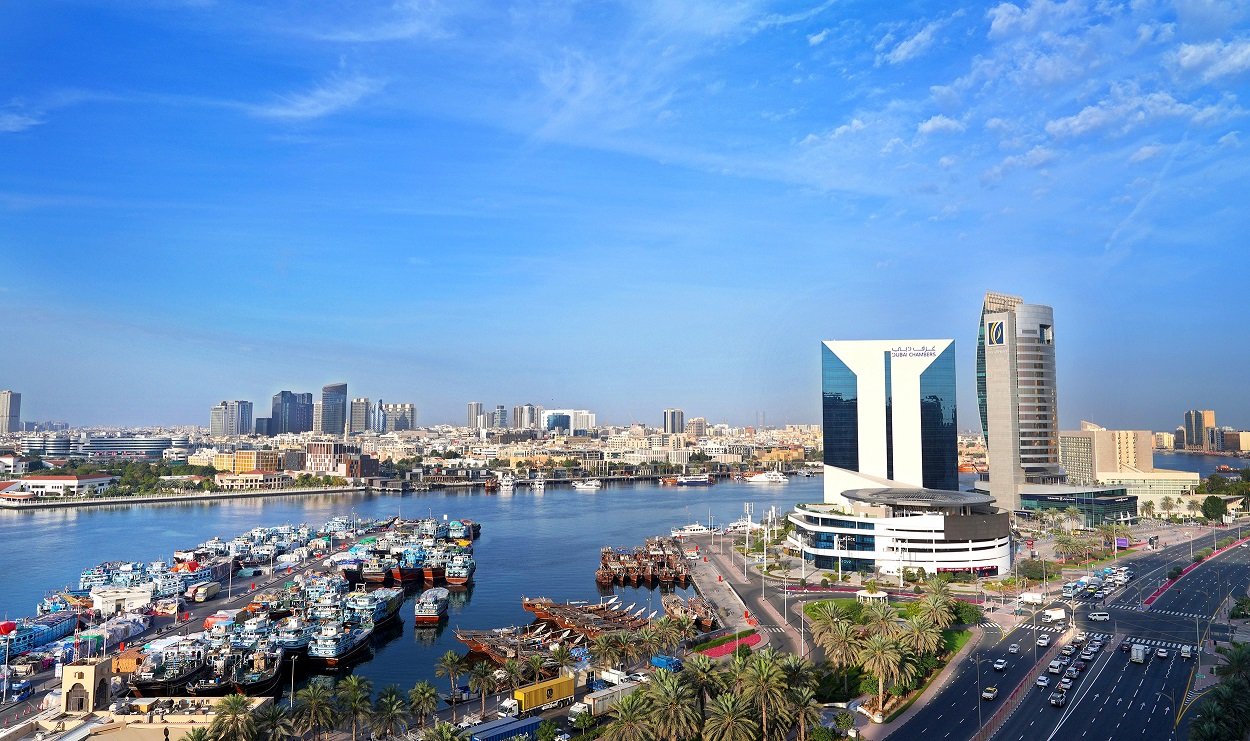
The Dubai World Trade Centre became a major meeting point for African economic diplomacy as representatives from across the continent gathered for discussions focused on investment, trade and economic transformation.
Among the prominent participants were Uganda Prime Minister Robinah Nabbanja and Naseem Banu Lahri, Managing Director of Lucara Botswana, alongside other political and business leaders.
At the heart of the discussions was a fundamental question: Can Africa attract more Gulf investment while moving beyond traditional resource extraction toward manufacturing, industrial development and projects that create greater value within African economies?
AIM Congress 2026 Puts Africa-GCC Investment at the Center
The Africa Pavilion at AIM Congress 2026, hosted by the Africa GCC Council, was designed as more than a conventional exhibition space.
Operating under the banner “The Voice of Africa in the Heart of the Middle East,” the pavilion brought together African governments and businesses with potential Gulf investors through curated deal rooms, ministerial roundtables and direct meetings.
The objective was to create an environment where investment discussions could move toward actual projects.
Dr. M’zée Fula Ngenge, Chairperson of the Africa Pavilion and Co-Founder of the Africa GCC Council, described the approach as a shift from visibility toward measurable outcomes.
The focus, he indicated, was on turning discussions into bankable opportunities rather than creating another cycle of announcements, photographs and memoranda that fail to develop into completed projects.
That approach reflects the growing importance of Africa-Gulf economic relations. African countries are seeking capital, technology and partnerships to develop their resources domestically, while Gulf investors are increasingly looking at Africa as a market for long-term investment.
Africa Seeks Value Beyond Raw Materials
Mineral resources remain an important part of Africa’s investment proposition, but discussions at the congress highlighted a broader ambition.
African economies are increasingly seeking investment that can support manufacturing, processing and other value-added activities.
Instead of exporting raw materials without significant local processing, countries across the continent want to build industries around their natural resources. Such development could create employment, strengthen domestic supply chains and increase the economic value generated within African markets.
This is particularly significant as governments seek to attract investors capable of supporting large-scale projects rather than focusing solely on short-term commodity opportunities.
Gulf investors, including sovereign wealth funds, institutional investors and private investment groups, have emerged as important potential partners in this transition.
UAE Investment Highlights Gulf Interest in Africa
The United Arab Emirates has already established a substantial investment presence across Africa.
According to the UAE Ministry of Economy and Tourism, the UAE invested more than $110 billion in African projects between 2019 and 2023.
More than $70 billion of that investment was directed toward green energy and renewable projects, demonstrating the importance of energy transition and sustainable infrastructure within the broader Africa-Gulf investment relationship.
The UAE is described as Africa’s fourth-largest source of foreign investment, behind the United States, China and the European Union.
The scale of those investments provides an indication of the potential for further cooperation between African economies and Gulf-based investors.
Renewable energy is particularly significant because Africa faces both substantial energy-development needs and considerable potential for solar, wind and other clean-energy projects.
For Gulf investors, these opportunities can offer exposure to rapidly developing markets while contributing to infrastructure and economic development.
AfCFTA Could Strengthen Africa’s Investment Case
Another major theme at AIM Congress 2026 was the implementation of the African Continental Free Trade Area, or AfCFTA.
Wamkele Mene, Secretary General of the African Continental Free Trade Area, highlighted the progress being made in implementing the agreement while speaking at the African Pavilion.
According to Mene, 50 countries had ratified the agreement, representing approximately 1.4 billion people and a combined GDP of $3.4 trillion.
The development of a continent-wide trading framework could strengthen Africa’s appeal to international investors.
For companies considering manufacturing or processing operations, access to a larger integrated market can make investments more attractive. Instead of viewing individual African countries solely as separate markets, investors can increasingly consider opportunities within the context of a broader continental trading system.
This could be particularly important for manufacturing, logistics, agriculture, industrial processing and infrastructure.
Landlocked Countries Highlight New Investment Opportunities
The congress also examined the challenges and opportunities facing landlocked African economies.
Uganda Prime Minister Robinah Nabbanja participated in discussions addressing how countries without direct access to the sea can still attract investment through regional integration, transportation networks and cross-border economic corridors.
Uganda, for example, is landlocked but continues to position itself as an investment destination by emphasizing regional connectivity and access to neighboring markets.
The discussions demonstrated that geography does not necessarily have to prevent countries from participating in international trade and investment.
Efficient transport infrastructure, cross-border cooperation and regional integration can help landlocked economies connect to ports and major commercial centers.
For investors, the development of these corridors can create opportunities across logistics, infrastructure, warehousing, manufacturing and trade-related services.
From Investment Conversations to Bankable Projects
One of the most important messages emerging from AIM Congress 2026 was the need to transform investment conversations into projects that can actually be financed and implemented.
Africa has frequently attracted international attention because of its large natural-resource base, growing population and expanding consumer markets. However, converting interest into successful investment requires more than high-level agreements.
Projects need clear structures, credible sponsors, appropriate financing models and supportive regulatory environments.
The Africa Pavilion’s emphasis on deal rooms and direct introductions between project sponsors and Gulf investors reflects this shift.
The goal is to create more direct connections between capital and projects while allowing investors to assess opportunities in greater detail.
This could help narrow the gap between investment announcements and actual capital deployment.
A New Phase in Africa-Gulf Economic Relations
AIM Congress 2026 highlighted the changing nature of the economic relationship between Africa and the Gulf.
While natural resources remain important, the investment conversation is increasingly expanding toward renewable energy, manufacturing, infrastructure, regional trade and industrial development.
For African governments, Gulf capital represents an opportunity to accelerate projects that can support economic diversification and create greater value locally.
For Gulf investors, Africa offers access to markets with significant natural resources, infrastructure requirements and long-term growth potential.
The success of this relationship, however, will depend on whether investment can move beyond extraction and isolated transactions toward sustainable economic partnerships.
The discussions at the Dubai World Trade Centre showed that both sides are increasingly interested in that broader relationship.
With AfCFTA implementation advancing, renewable-energy investment expanding and Gulf capital already flowing into African projects, the foundations for deeper economic cooperation are becoming stronger.
The challenge now is turning those opportunities into bankable investments, completed infrastructure and productive industries.
AIM Congress 2026 has provided another platform for that conversation, but its longer-term significance will ultimately depend on what happens after the meetings end: which projects receive financing, which partnerships move forward and how effectively investment contributes to Africa’s next phase of economic growth.
Post Views: 4