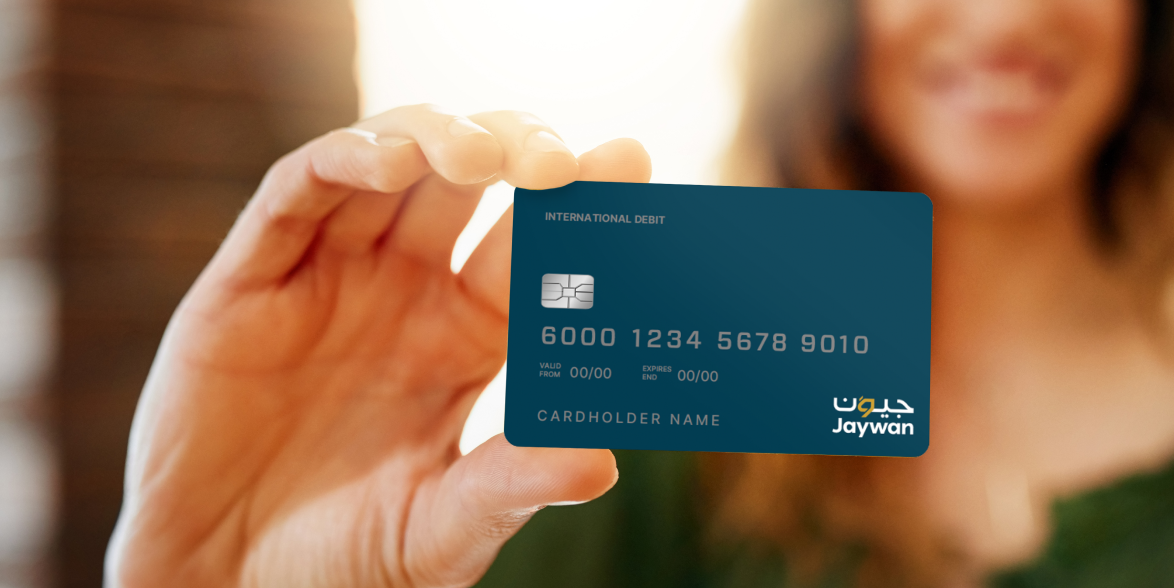
DubaiPay has expanded its digital payment options with the activation of Jaywan, the UAE’s national card payment scheme. The integration was announced by Dubai Finance and Digital Dubai after operational testing confirmed that DubaiPay was ready to process transactions made using Jaywan cards.
The development adds another locally operated payment option to DubaiPay, strengthening the connection between Dubai’s government payment infrastructure and the UAE’s national payments network.
The first government transaction using Jaywan through DubaiPay was completed through the Dubai Cares donation service, marking the initial live use of the national card scheme on the platform.
Jaywan Becomes Available on DubaiPay
Jaywan is the UAE’s national card payment scheme and is operated by Al Etihad Payments, a subsidiary of the Central Bank of the UAE. The network has been developed to support electronic payments across multiple channels, including point-of-sale terminals, ATMs and e-commerce platforms.
With Jaywan now activated on DubaiPay, users can access the national payment network when completing eligible transactions through the government payment platform.
The integration represents another step in the development of the UAE’s domestic digital payment infrastructure. It also gives government payment services greater connectivity with a payment network operated within the country.
First Government Transaction Completed Through Dubai Cares
The first government transaction using Jaywan on DubaiPay was completed through the Dubai Cares donation service.
The transaction provides an early example of how Jaywan can be used within Dubai’s government digital payment ecosystem. Dubai Cares is a philanthropic initiative that supports education and related humanitarian programmes, and its integration provides a practical use case for the newly activated payment option.
Following the completion of operational testing, Jaywan transactions can now be processed through DubaiPay, expanding the range of payment methods available to users.
Supporting Dubai’s Cashless Strategy
The integration also aligns with Dubai’s broader efforts to increase the use of digital and cashless payments.
The Dubai Cashless Strategy aims to raise the share of cashless transactions across the government and private sectors to 90% by the end of 2026.
Expanding the number of payment options available through government platforms can contribute to this objective by making digital transactions more accessible to residents, businesses and other users interacting with government services.
The addition of Jaywan is particularly relevant to the development of a domestic payments ecosystem, as the scheme is operated by Al Etihad Payments under the UAE’s central banking framework.
What Jaywan Adds to DubaiPay
DubaiPay is part of Dubai’s digital government payment infrastructure, allowing users to make payments associated with government services through a centralized platform.
The activation of Jaywan adds the UAE’s national card payment network to the payment options supported through the platform.
Jaywan itself is designed to facilitate transactions across several payment environments. These include traditional point-of-sale transactions, ATM transactions and online purchases through e-commerce platforms.
Its availability on DubaiPay therefore extends the reach of the national card scheme into Dubai’s government payment environment.
For users, the development means that eligible DubaiPay transactions can now be supported by Jaywan, alongside the payment options already available on the platform.
Strengthening the UAE’s Domestic Payments Infrastructure
The DubaiPay integration comes as the UAE continues to develop its domestic digital payments infrastructure.
A national card payment scheme can provide a locally operated network for electronic transactions while supporting the wider transition away from cash. By connecting Jaywan with government payment infrastructure, the latest development brings two components of the country’s digital payments ecosystem closer together.
The role of Al Etihad Payments is central to this development. As a subsidiary of the Central Bank of the UAE, the company operates Jaywan as the country’s national card payment scheme.
The network is intended to support payments across physical and digital channels, giving consumers and businesses access to a domestic payment infrastructure that can be used for everyday transactions.
Dubai’s Digital Government Push
Dubai has continued to expand digital services across government functions, with digital payments forming an important part of that transformation.
Government payment platforms need to support secure and convenient methods for users to complete transactions, particularly as consumers increasingly rely on electronic payments.
The activation of Jaywan on DubaiPay adds another locally available option to this ecosystem. It also demonstrates how national payment infrastructure can be integrated into individual emirates’ digital government platforms.
The successful completion of operational testing was an important step before the service was activated. It confirmed that DubaiPay was ready to process Jaywan card transactions as part of its payment infrastructure.
Broader Implications for Cashless Transactions
The expansion of payment options comes at a significant point for Dubai’s cashless ambitions.
With the Dubai Cashless Strategy targeting a 90% share of cashless transactions across government and private sectors by the end of 2026, government platforms are expected to play an important role in encouraging digital payment adoption.
Making Jaywan available through DubaiPay provides another route for users to complete transactions without relying on cash.
It also supports the broader development of an integrated digital payments environment in which national and government-level infrastructure can work together.
A Step Toward Greater Payment Integration
The activation of Jaywan on DubaiPay is more than the addition of another card option. It connects Dubai’s government payment infrastructure with the UAE’s national payments network and creates another use case for the country’s domestic card scheme.
The completion of the first government transaction through Dubai Cares demonstrates that the integration has moved from testing into live use.
As Dubai continues its push toward a predominantly cashless economy, the availability of national payment infrastructure across government services could become increasingly important.
For users of DubaiPay, the immediate impact is straightforward: Jaywan is now available as an additional payment option on the platform. For the wider UAE payments ecosystem, the integration represents another step toward expanding the use of the country’s national card network across digital and government services.
Key Takeaways
- Jaywan is now available on DubaiPay, expanding the platform’s payment options.
- The activation followed successful operational testing by Dubai Finance and Digital Dubai.
- The first government transaction using Jaywan on DubaiPay was completed through the Dubai Cares donation service.
- Jaywan is operated by Al Etihad Payments, a subsidiary of the Central Bank of the UAE.
- The national card network supports point-of-sale, ATM and e-commerce transactions.
- The integration connects Dubai’s government payment infrastructure with the UAE’s national payments network.
- The move supports the Dubai Cashless Strategy, which targets 90% cashless transactions across government and private sectors by the end of 2026.
Post Views: 12