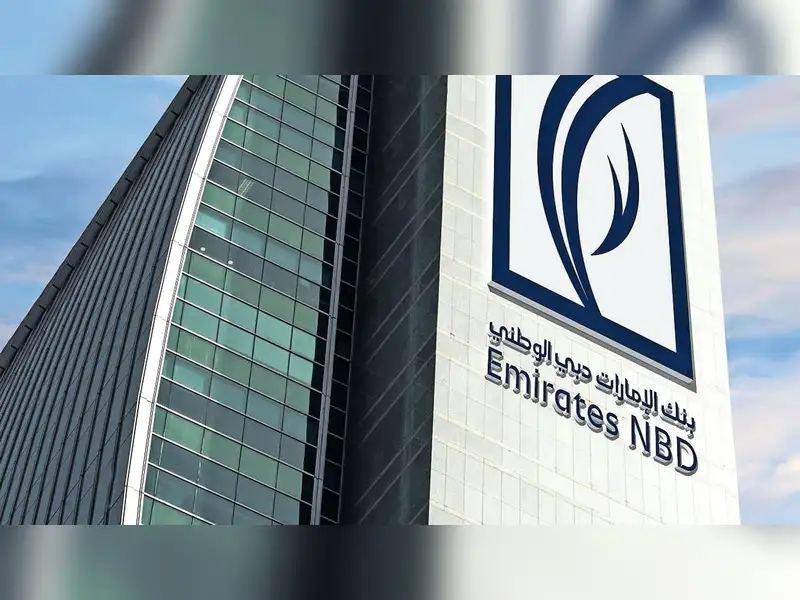
Emirates NBD has launched the UAE’s first dedicated Transition Finance Framework, creating a structured pathway for corporate and institutional clients seeking financing to shift towards lower-carbon business models.
The framework provides a methodology for identifying and assessing activities that may qualify for transition finance, particularly across industries with high emissions or where reducing carbon intensity can be more challenging.
The initiative covers sectors including manufacturing, mining, power and energy, real estate, transport and storage, agriculture and information technology. It is intended to support businesses that may not yet meet conventional green-finance criteria but are taking credible and measurable steps to reduce emissions, improve energy efficiency and adopt cleaner technologies.
Emirates NBD Transition Finance Framework expands access to transition funding
The Emirates NBD Transition Finance Framework is designed to give companies greater clarity on the types of activities that can qualify for transition financing.
Transition finance is particularly relevant to businesses operating in sectors where an immediate shift to fully green operations may not be technically or economically feasible. Instead, financing can help companies implement progressive measures that reduce emissions and improve the efficiency of existing operations.
Under the new framework, eligible activities may include investments aimed at emissions reduction, energy efficiency, cleaner technologies and the development of lower-carbon business models.
This approach allows financing to be directed towards companies undertaking credible transition plans rather than limiting sustainable funding to projects that already meet the strictest green criteria.
Emirates NBD said the framework is intended to strengthen its ability to finance companies moving towards lower-carbon operations while providing clients and investors with a more consistent basis for assessing transition-related activities.
Focus on hard-to-abate sectors
A major feature of the framework is its focus on high-emitting and hard-to-abate sectors.
Industries such as manufacturing, mining, power and energy and transport can face significant technical challenges when attempting to rapidly reduce emissions. Real estate and agriculture can also require substantial investment in energy efficiency, technology and operational changes to reduce their environmental impact.
By establishing a framework specifically for transition finance, Emirates NBD aims to help businesses in these sectors access capital for projects that support gradual decarbonisation.
The framework also covers information technology, reflecting the broader role of technology and digital solutions in improving energy efficiency and supporting the transition towards more sustainable economic activity.
Alignment with international transition-finance standards
Emirates NBD said the framework was developed with reference to internationally recognised guidance on transition finance.
This includes the International Capital Market Association’s Climate Transition Finance Handbook, the ICMA Climate Transition Bond Guidelines 2025 and the Loan Market Association’s Guide to Transition Loan Finance 2025.
The use of international guidance is intended to provide greater consistency and credibility when evaluating transition activities and determining whether financing supports genuine progress towards lower-carbon operations.
The bank has also commissioned DNV Assurance to provide a second-party opinion on the framework.
The independent assessment is intended to provide additional assurance around the framework’s methodology and alignment with recognised transition-finance principles.
Supporting companies beyond traditional green finance
Traditional green finance generally focuses on projects and activities that already meet defined environmental criteria. Transition finance serves a different but complementary purpose by supporting companies and sectors that need investment to reduce their environmental impact over time.
For many carbon-intensive industries, moving directly from existing operations to fully green alternatives can require major technological and financial changes. Transition finance can provide an intermediate funding mechanism for credible projects that reduce emissions and improve efficiency.
The Emirates NBD framework therefore seeks to create a clearer route for businesses whose current activities may not qualify as green but whose transition plans demonstrate meaningful progress.
This could include investments in technologies that reduce energy consumption, projects designed to lower greenhouse gas emissions, improvements in industrial efficiency and the adoption of cleaner production methods.
The framework also supports the development of lower-carbon business models, allowing financing to be linked to broader corporate transformation rather than individual green projects alone.
Emirates NBD targets $30 billion in sustainable and transition finance
The launch of the framework forms part of Emirates NBD’s wider sustainable-finance strategy.
The bank has set a target of $30 billion in sustainable and transition finance by 2030. The new framework is expected to help expand the range of eligible financing opportunities as the bank works towards that target.
According to Emirates NBD, the framework will help channel capital towards activities associated with decarbonisation, industrial transformation and long-term resilience.
The bank’s strategy reflects growing demand for financing that can support companies as they respond to changing environmental standards, technological developments and the wider global shift towards lower-carbon economic models.
Supporting the UAE’s sustainable-finance ambitions
The initiative also contributes to the UAE banking sector’s broader sustainable-finance objectives.
Emirates NBD said it is supporting the UAE Banking Federation’s ambition to reach Dh1 trillion in sustainable finance by 2030.
The introduction of a dedicated transition-finance framework could help broaden the pool of companies able to access sustainability-focused capital, particularly businesses operating in industries where emissions reductions require substantial investment and a longer implementation period.
For the UAE, transition finance is increasingly relevant as the country seeks to balance economic growth and industrial development with efforts to reduce emissions and improve resource efficiency.
The framework could therefore support financing for businesses undertaking changes to their operations while maintaining economic activity and competitiveness.
Vijay Bains highlights role in real-economy transition
Vijay Bains, Chief Sustainability Officer and Group Head of ESG at Emirates NBD, said the framework expands the bank’s existing sustainable-finance and sustainability-linked financing capabilities.
He said the initiative would help support the transition of the real economy across the UAE and the wider region.
The emphasis on the real economy reflects the importance of financing practical changes within businesses and industries rather than focusing exclusively on new green projects.
For companies operating in sectors with significant existing emissions, access to capital can be an important factor in implementing new technologies, improving energy efficiency and developing lower-carbon processes.
Creating a consistent assessment approach
Another objective of the Emirates NBD Transition Finance Framework is to provide greater consistency for clients and investors when evaluating eligible transition activities.
A clear methodology can help companies understand which investments may qualify for transition finance and what characteristics their projects or business activities need to demonstrate.
For investors and other stakeholders, a structured framework can also provide greater transparency around how transition activities are assessed.
This is particularly important as transition finance expands globally and financial institutions seek to distinguish credible decarbonisation activities from projects that may make broad sustainability claims without demonstrating measurable progress.
A broader role for transition finance in the UAE
The launch of the framework comes as financial institutions increasingly look beyond conventional green financing to support economy-wide decarbonisation.
For sectors such as manufacturing, energy, transport, mining and real estate, the transition towards lower-carbon operations can involve significant capital expenditure. Financing can be required for new equipment, cleaner technologies, energy-efficiency improvements and changes to production or operating models.
By establishing dedicated criteria for transition finance, Emirates NBD is positioning the framework as an additional financing channel alongside its existing sustainable-finance products.
The initiative also reflects the growing importance of aligning financial flows with long-term climate and economic objectives while recognising that different industries will move at different speeds.
Supporting long-term industrial transformation
The new framework is expected to play a role in financing long-term industrial transformation across the UAE and the wider region.
Businesses seeking to reduce their carbon footprint may require funding well before they can be considered fully aligned with green-finance definitions. Transition finance can bridge that gap by supporting credible measures that demonstrate progress towards lower-carbon operations.
For Emirates NBD, the framework adds another mechanism through which it can work with corporate and institutional clients on sustainability objectives.
With its $30 billion sustainable and transition finance target for 2030, the bank is seeking to increase the scale of capital directed towards projects and businesses supporting decarbonisation, cleaner technologies, improved efficiency and resilience.
The launch of the UAE’s first dedicated Transition Finance Framework therefore represents an expansion of the country’s sustainable-finance landscape, particularly for industries that face greater challenges in reducing emissions.
As businesses across the UAE and the wider region invest in cleaner technologies and more efficient operating models, transition finance could become an increasingly important source of capital for supporting the gradual transformation of carbon-intensive sectors.
Post Views: 36