Emirati Women’s Day 2026: A Shift Beyond the “Men vs. Women” Debate
Emirati Women’s Day 2026 is taking on a broader meaning in the UAE this year, with the annual celebration being extended for the first time into a month-long program.
Held under the theme “Together, We Rise Stronger and Better,” Emirati Women’s Day 2026 will run from August 28 to September 28, 2026. The expanded program is designed not only to recognize the achievements of Emirati and resident women, but also to highlight the families, institutions, communities and men whose support contributes to women’s success.
The approach reflects a distinctive feature of the UAE’s gender-balance strategy: framing equality less as a contest between men and women and more as a partnership that benefits society, businesses and the national economy.
The idea has become increasingly relevant as international conversations around gender equality remain divided. Against this backdrop, the UAE is seeking to demonstrate how legislation, workplace policies, family support and collaboration can create an environment in which women and men can contribute to national development together.
A Month-Long Celebration With a Wider Message
The decision to extend Emirati Women’s Day 2026 beyond its traditional annual date represents a significant change in how the occasion is being positioned.
H.H. Sheikha Fatima bint Mubarak, the “Mother of the Nation,” Chairwoman of the General Women’s Union, President of the Supreme Council for Motherhood and Childhood, and Supreme Chairwoman of the Family Development Foundation, has emphasized that the advancement of Emirati women has not taken place in isolation.
Families, communities, institutions and supportive men have all played a role in creating opportunities for women.
The theme “Together, We Rise Stronger and Better” therefore places partnership at the center of the celebration. Rather than focusing solely on individual achievements, the 2026 program seeks to examine the ecosystem that allows women to participate, lead and succeed.
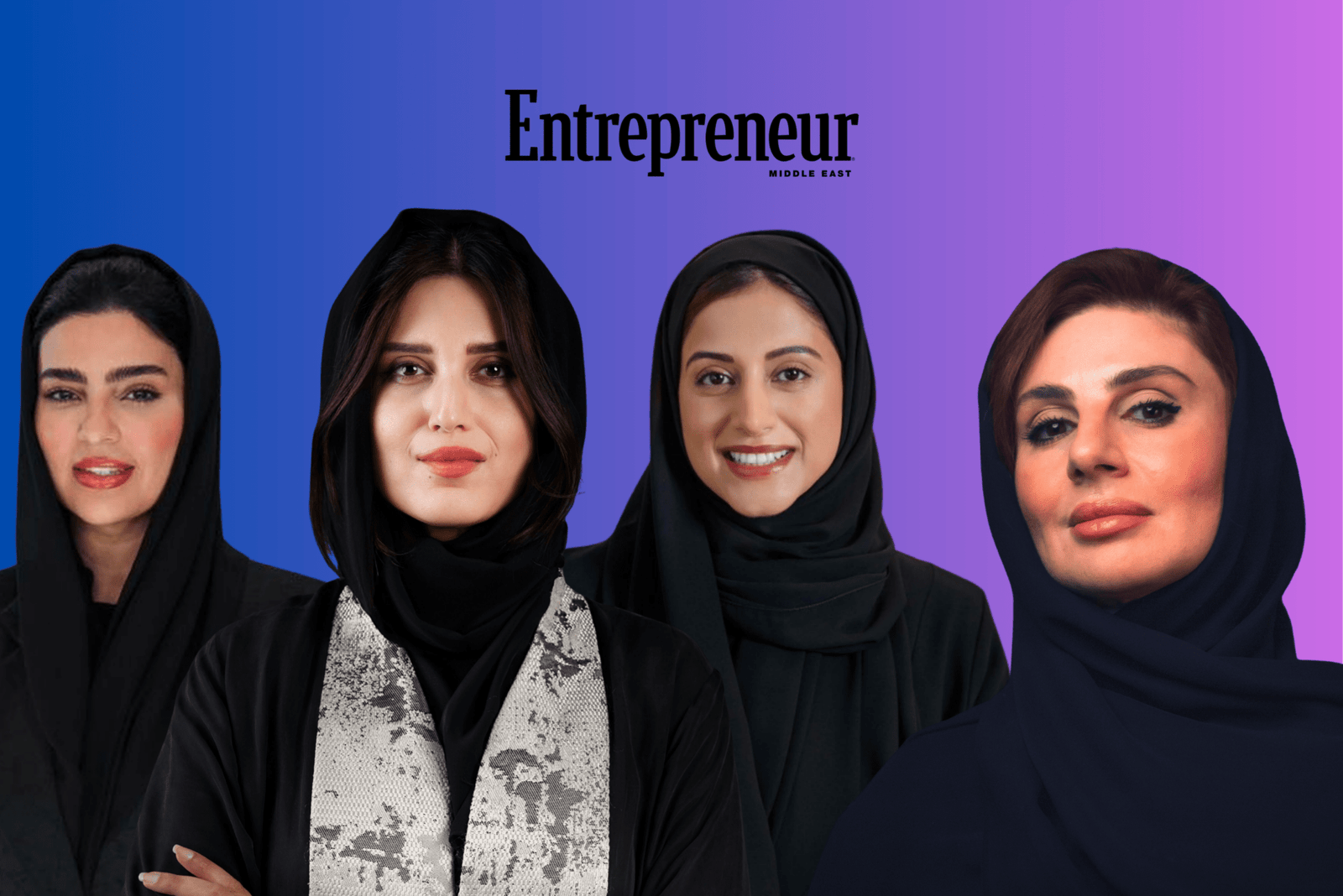
For Fatmah Rashed Alkaabi, Advisor at the Director General’s Office of the Abu Dhabi Early Childhood Authority and Program Manager at the Parent-friendly Label™ program, this philosophy reflects a broader national approach.
She argues that sustainable development depends on organizations, leaders and families moving forward with a shared sense of purpose.
Her work particularly focuses on the relationship between workplace culture and family wellbeing. The Parent-friendly Label is a voluntary UAE-wide workplace award program led by the Abu Dhabi Early Childhood Authority, encouraging organizations across the semi-government, private and third sectors to adopt practices that better support parents and caregivers.
According to Alkaabi, policies such as flexible working arrangements, maternity support, return-to-work pathways and caregiving accommodations are important. However, their effectiveness ultimately depends on whether employees can use them without worrying that doing so will damage their careers.
The objective, she says, should be to make caregiving a recognized part of life rather than something that prevents women from pursuing leadership.
Moving From Equality as Competition to Equality as Opportunity
Arshia Alam, founder and Creative Director of ARSHYS, an Emirati contemporary luxury womenswear label, believes the UAE has approached gender balance differently from many traditional debates.
Rather than presenting gender equality as one group gaining at another group’s expense, she sees the UAE model as being focused on fairness, opportunity and shared progress.
Alam points to discussions involving the UAE Gender Balance Council and representatives from both the public and private sectors. These conversations cover issues ranging from family priorities and workplace culture to skills development.
For her, the value lies in creating a platform where men and women can participate in solving challenges together.
She also stresses that equality does not necessarily mean that men and women must perform identical roles. Instead, it means that people should have the freedom and opportunity to pursue their ambitions according to their individual circumstances.
Mutual respect, listening and adaptability are central to this model.
The strongest partnerships, she argues, are those in which both individuals support each other’s growth rather than treating personal or professional success as a competition.
The UAE’s Institutional Gender-Balance Framework
The UAE Gender Balance Council has played an important role in developing the country’s institutional approach to gender equity.
Its work combines legislation, policy development, workplace initiatives, public-private cooperation and international partnerships.
According to figures referenced in the article, the UAE ranked first in the MENA region for gender balance in the World Economic Forum’s Global Gender Gap Report 2025.
More than 20 national reforms have also been introduced to advance gender balance. These include measures involving paid paternity leave, equal-pay provisions and workplace protections.
Women currently account for approximately 63% of leadership positions in the UAE federal government, while the Gender Balance Council states that women represent around 70% of Emiratis working in the private sector.
These figures provide an important backdrop to the broader argument surrounding Emirati Women’s Day 2026: that women’s participation is increasingly being treated as part of the country’s economic and institutional development rather than as a separate social issue.
Lessons From the Legal Sector
Jouslin Khairalla, founder of KH Legal and a founding member of Legaline Platform, has spent more than two decades working in the UAE’s legal sector.
Her experience has given her a close view of the country’s evolving approach to women’s participation in professional life.
Khairalla describes women’s empowerment in the UAE as a shared national priority rather than a competition between genders.
She highlights leadership, legislation, education and institutional initiatives as important factors in expanding opportunities for women across government, business, law, science and entrepreneurship.
For Khairalla, equality ultimately comes down to opportunity.
The central question is not who gains more, but whether talent, ambition and capability are given enough space to succeed.
Her perspective reinforces the larger message of Emirati Women’s Day 2026: sustainable progress is strongest when men and women are considered partners in building the economy and society.
Why Supportive Workplaces Matter
One of the central themes emerging from the leaders interviewed is that legislation alone cannot deliver workplace equality.
Policies can create the framework, but organizational culture determines how those policies function in practice.
Khairalla argues that flexibility and professional excellence are not mutually exclusive. Supporting working mothers and caregivers does not require employers to lower expectations.
Instead, companies can provide structures that allow talented employees to remain productive while navigating different stages of their lives.
Flexible work, childcare access and effective return-to-work programs can help, but employees must also feel safe using those benefits.
If women believe that requesting flexibility will make them appear less committed or reduce their chances of promotion, even well-designed policies may have limited impact.
Alam similarly argues that workplace policies are only as effective as the culture surrounding them.
She believes leaders must listen to employees, understand their circumstances and focus on outcomes rather than rigid assumptions about how work should be performed.
This approach can benefit organizations more broadly by helping them retain experienced employees and create more sustainable working environments.
Women’s Advancement and Economic Growth
Muneera Al Marzooqi, Vice President of Smart Mobility at Space42, connects gender diversity directly with innovation.
In technology and mobility, she argues, diverse perspectives are essential to solving complex problems and developing new ideas.
Her own professional journey, she says, has been shaped by family members, leaders, mentors and colleagues—both women and men—who challenged and supported her.
Her experience illustrates another key idea behind the 2026 theme: individual achievements are frequently the result of collective effort.
At Space42, women in senior management increased from 8% to 15% in 2025, while women now chair 50% of the company’s board committees.
For Al Marzooqi, diversity is therefore not simply about meeting numerical targets. It is about bringing different perspectives together around common objectives.
She also emphasizes the importance of constructive disagreement. Strong teams, she believes, require people to communicate their perspectives clearly while remaining willing to listen and reconsider their assumptions.
The Global Gender Equality Debate
The UAE’s partnership-oriented approach stands out against a global environment in which gender equality remains deeply contested.
An Ipsos International Women’s Day 2026 survey conducted with the Global Institute for Women’s Leadership at King’s College London found that 52% of respondents across 29 countries believed efforts to give women equal rights had already gone far enough.
The survey also identified a substantial gender divide.
Around 54% of men, compared with 38% of women, said they felt they were already doing too much to support equality. Meanwhile, 52% of men believed efforts to advance women’s equality had reached a point where they discriminated against men, compared with 36% of women.
At the same time, support for female leadership remained strong. Approximately 60% of respondents said governments and companies would function better if more women occupied positions of responsibility.
The contrast highlights the challenge facing gender-equality discussions internationally: how to advance women’s opportunities without allowing the conversation to become framed exclusively as a conflict between genders.
The UAE’s model attempts to answer that challenge through partnership.
Families as Part of the Gender-Equality Equation
A recurring message from the four leaders is that workplace equality cannot be separated from family life.
Alkaabi argues that when caregiving is valued and fathers are supported in fulfilling their responsibilities, women are better positioned to pursue professional growth.
This makes family-friendly workplace policy an important component of gender balance.
The Parent-friendly Label reflects this philosophy by encouraging employers to look beyond the existence of individual policies and consider how those policies affect employees in their everyday lives.
The approach also recognizes that caregiving responsibilities can affect both men and women.
By treating family responsibilities as a shared issue, organizations can reduce the assumption that women alone should carry the burden of caregiving.
That, in turn, can help create more equitable pathways to leadership.
Emirati Women’s Day 2026 Looks Toward the Next Generation
As Emirati Women’s Day 2026 begins its first month-long celebration, the leaders interviewed see the occasion as an opportunity to look beyond recognition and toward the future.
Al Marzooqi believes the visibility of Emirati women working across business, technology, science and emerging industries can encourage younger generations to imagine possibilities that may previously have seemed out of reach.
Khairalla similarly emphasizes the importance of representation.
When young women see women leading companies, practising law, serving in government, advancing scientific fields and building new businesses, professional possibilities become more tangible.
For her, the most meaningful tribute to previous generations is ensuring that the next generation has even greater opportunities to contribute and lead.
That perspective captures the broader significance of the 2026 celebration.
Emirati Women’s Day 2026 is not simply about marking women’s achievements on August 28. Its month-long format provides an opportunity to examine the structures, relationships and values that have helped women advance in the UAE.
The message emerging from the country’s female business and professional leaders is clear: gender equity does not have to be defined through a “men versus women” framework.
Instead, it can be approached through shared responsibility, equal opportunity, supportive workplaces, family partnership and collective national progress.
As the UAE continues developing its economy and positioning itself as a global hub for technology, entrepreneurship, innovation and investment, the participation of women is increasingly intertwined with that broader ambition.
The central message of this year’s theme—“Together, We Rise Stronger and Better”—therefore extends beyond the month-long celebration itself.
It presents gender balance not simply as a social objective, but as part of the UAE’s wider blueprint for stronger families, more resilient workplaces, greater innovation and sustainable national growth.
Post Views: 9